Marietta Top Commercial Architecture Services: Innovative Commercial Design Services
Transform Your Environment: The Power of Premier Architectural Design Offerings
Professional architectural design services play a crucial part in transforming spaces. Such solutions integrate utility with artistic vision, making certain that all projects fulfill both operational demands and design criteria. Professionals apply innovative strategies and environmentally conscious practices, aligning their designs with community requirements. Yet, numerous individuals fail to recognize how these offerings can unlock the full capabilities of their spaces. Investigating the wide-ranging merits of collaborating with an architect exposes discoveries that could revolutionize any setting.
Discovering the Benefits of Expert Architectural Design
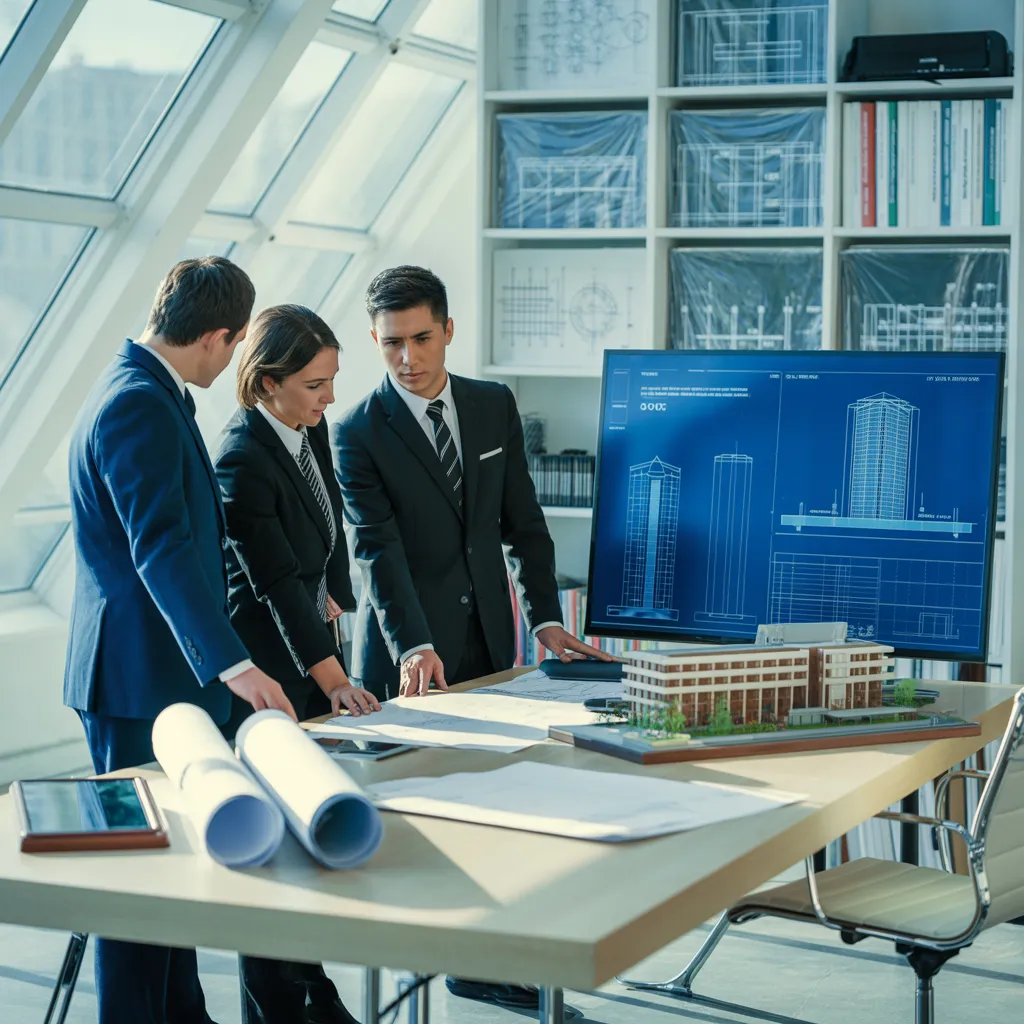
Showcasing the value of professional architectural design is fundamental for enhancing both efficiency and design quality in any endeavor. Exceptional architectural design extends far beyond aesthetics; it incorporates the principles of environmental sustainability, structural integrity, and space planning. By employing innovative methods and a deep understanding of construction materials, architects create spaces that are not only visually striking but also efficient and practical.
Moreover, skilled architects take into account the unique aspects of each individual project, including community needs, climate, and local regulations. This all-encompassing approach assures that the design is not only forward-thinking but also complementary to its environment. They utilize advanced technology, such as 3D modeling, to present clients with a detailed vision of the finished structure. In the end, opting for professional architectural design leads to enduring advantages, boosting both the experience of those within and the property's overall worth.
Major Benefits of Working with an Architect for Your Design Project
Working with an architect for a design project offers numerous advantages that improve both the project process and final result. Architects bring a depth of knowledge, guaranteeing that projects meet local regulations and building codes, which can prevent costly issues down the line. Their ability to create detailed plans and specifications helps optimize the construction process, decreasing delays and miscommunication among contractors.
Additionally, architects are proficient in managing projects, coordinating various aspects of the design and construction phases. This level of oversight confirms that deadlines and financial plans are maintained, giving clients reassurance. Additionally, architects are able to detect potential issues during the early stages of design, facilitating early problem resolution. Their expertise in various materials and construction approaches can generate inventive strategies that optimize efficiency and environmental responsibility. In the end, hiring an architect not only improves the overall design but also enhances the overall experience for clients.
Elevating Aesthetics and Functionality Through Architectural Proficiency
Architecture expertise serves a vital role in enhancing both aesthetics and functionality in construction projects. By utilizing cutting-edge design solutions, maximizing space utilization, and incorporating environmentally responsible materials, architects are able to develop spaces that are beautiful and highly functional. This strategy not only addresses client expectations but also supports ecological awareness.
Progressive Design Concepts
Cutting-edge design approaches reshape environments by skillfully integrating form with function. Skilled designers harness imaginative approaches to meet diverse client needs while improving overall appearance. By integrating components, shades, and patterns that align with the natural context, architects build harmonious spaces that embody unique personalities. Modern technology, including 3D visualization and virtual environments, facilitates detailed visualizations, enabling clients to visualize concepts before implementation. Moreover, integrating sustainable practices certifies that design excellence supports ecological preservation. Through deliberate assessment of brightness, layout, and transitions, these methods optimize usability and foster a sense of well-being. At its core, innovative design fosters a remarkable balance between efficiency and aesthetic appeal, elevating the overall quality of living and working environments.
Space Optimization Techniques
Maximizing space involves strategic planning and design techniques that elevate both appearance and usability. Professional architectural design services employ strategies like open floor plans, that do away with superfluous walls and cultivate an airy atmosphere. Multi-functional furniture can be integrated to serve various purposes, ensuring that every square foot is utilized effectively. Furthermore, careful positioning of windows and mirrors can generate the impression of more spacious rooms, attracting natural light and amplifying visual dimension. Architects also consider circulation patterns, ensuring that movement through a space is both intuitive and efficient. Through focusing on these enhancement strategies, architects transform environments into harmonious areas that not only look appealing but also cater to the practical needs of their occupants.
Sustainable Material Choices
With a growing focus on sustainability, architects increasingly turn to sustainable materials that improve both visual appeal and performance. Utilizing materials such as bamboo, reclaimed wood, and recycled metal not only reduces environmental impact but also adds unique character to spaces. These choices contribute to a harmonious design, integrating naturally with the surrounding environment. Furthermore, integrating options such as low-emission paints and thermally efficient glass elevates interior air quality and optimizes thermal performance, providing meaningful benefits to the health and comfort of those inside. By carefully selecting sustainable materials, architects craft beautiful settings that appeal to sustainability-minded clients. This approach fosters a more responsible architectural practice, proving that beauty and sustainability can coexist, while responding to the urgent call for green innovations in modern architecture.
The Way Technology Influences Contemporary Architectural Designs
In today's world, numerous technological advancements significantly impacts architectural design, revolutionizing how structures are designed and built. Building Information Modeling (BIM) allows architects to develop precise three-dimensional designs, supporting better cooperation between project stakeholders and securing accuracy throughout the design process. Moreover, virtual and augmented reality allow clients to experience spaces before they are built, ensuring design choices are both informed and naturally guided.
Advancements in technology have further strengthened sustainability, with energy analysis software enabling architects to refine building performance by evaluating energy demands and environmental consequences. Moreover, innovative materials and building methods, such as prefabrication and 3D printing, optimize the construction workflow, minimizing expenses and timelines. Drones and robotics are increasingly used for site surveys and inspections, providing real-time data that improves accuracy and safety. In summary, technology both fuels creative innovation and ensures architectural designs satisfy contemporary requirements for efficiency and sustainability.
Popular Misconceptions Regarding Architectural Services
Many individuals harbor false beliefs about architectural services, believing that they are prohibitively expensive and that architects solely concentrate on building design. This restricted outlook overlooks the wide variety of services architects provide, including planning and consultation. Addressing these false assumptions is crucial to recognizing the real worth of architectural expertise.
The High Cost of Architectural Services
The belief that architectural services are excessively costly often stems from false assumptions about their worth and range. Numerous people equate high costs with a lack of affordability, failing to recognize the long-term benefits that professional design can provide. Architectural services encompass more than just drafting plans; they require extensive planning, regulatory compliance, and innovative problem-solving. By embracing these services, clients often cut costs in the long run through efficient resource use, reduced construction errors, and increased property value. In addition, the intricacy of a project can greatly influence costs, making it important to understand that a well-planned design can lead to considerable monetary benefits. Ultimately, treating architectural services as an investment rather than an expenditure can transform perspectives and enhance appreciation for their importance.
Architects Simply Design Buildings
One widespread myth is that architects only concentrate on building design. In reality, their expertise extends far beyond mere structure. Architects participate in urban planning, landscape architecture, and interior environments, maintaining balance among diverse components. They partner with clients to design purposeful environments that elevate the standard of living. Moreover, architects take part in sustainable development, weaving green practices into their architectural solutions. They often work on public spaces, parks, and community projects, addressing social needs and improving urban infrastructure. Beyond that, architects contribute critical expertise to renovation and restoration efforts, honoring historical value while accommodating present-day demands. This multifaceted role showcases their importance in shaping not just buildings, but entire communities and environments.
Picking the Ideal Architect for Your Design Vision
How can one guarantee that the architect they choose aligns with their particular design goals? Choosing the ideal architect requires close attention to multiple important aspects. First, reviewing an architect's portfolio can shed light on their design style and expertise. This approach enables future clients assess whether the architect's past projects aligns with their personal design tastes.
Additionally, strong communication plays a key role. Conducting preliminary meetings helps clients communicate their ideas and requirements effectively. The willingness of an architect to engage and respond with care shows their genuine investment in understanding the client's needs.
In addition, reviewing references and client feedback can uncover the architect's credibility and professional standards. It is essential to confirm that the architect has experience relevant to the project's specific requirements, whether for residential or commercial purposes. In the end, a carefully selected architect can transform a vision into reality, making the selection process critical for achieving successful architectural results.
Achievements in Architectural Design
Transforming visions into reality, remarkable architectural achievements highlight the profound impact of deliberate planning and artistic execution. A prime illustration is the transformation of a historic warehouse into a vibrant community center. Designers carefully retained historic structural details while integrating modern amenities, resulting in a space that fosters collaboration and engagement.
Another inspiring case highlighted a sustainable residential project that made use of environmentally responsible materials and creative design approaches. This method not only decreased the carbon footprint but also cultivated a balanced and comfortable living space, establishing a standard for upcoming projects.
Across urban settings, the transformation of neglected areas into lush recreational areas showcases how strategic design can enhance community well-being. Each story reflects a dedication to improving both form and function, revealing how expert architectural solutions can reshape surroundings and uplift community standards. Such achievements stand as a testament of the extraordinary capacity of professional design in shaping environments for future generations.
Frequently Asked Questions
What Qualifications Should I Consider When Choosing an Architect?
When searching for an architect, one should prioritize qualifications such as an applicable degree, proper licensing, a diverse portfolio, effective evidence communication capabilities, and experience in the desired project type to ensure productive collaboration and favorable results.
What Is the Average Timeframe for the Architectural Design Process?
The process of architectural design typically takes three to six months on average, depending on project scope, client specifications, and required regulatory approvals. Effective communication and collaboration can help accelerate this schedule, guaranteeing the final design is delivered on time.
What Are the Costs Associated With Hiring an Architect?
The costs associated with hiring an architect usually span from 5% to 15% of the total project budget, based on the complexity and scope. Extra charges may occur for meetings, revisions, and specialized offerings across the design process.
Do Architects Provide Help With Permits and Zoning Regulations?
Absolutely, architects are able to help with zoning regulations and permits. Their professional expertise assures alignment with local legal requirements, streamlining the application process and limiting unnecessary postponements, ultimately ensuring the successful completion of a project.
What Is the Best Way to Communicate My Vision to an Architect?
To communicate effectively with an architect, one must gather visual references, articulate specific needs, talk through design preferences, and stay receptive to recommendations. Clarity and collaboration foster a productive dialogue, making certain that ideas are in harmony with the architect's skills.
Improve